Lab Guides
Milligrams vs. Powder Volume: Why a Fuller-Looking Vial Isn't More Peptide
A milligram figure on a vial label is a statement about mass: how much of the target compound, by weight, that lot is formulated to contain. It says nothing about how much physical space that mass occupies inside the vial, and conflating the two is one of the more common misreadings of a lyophilized product.
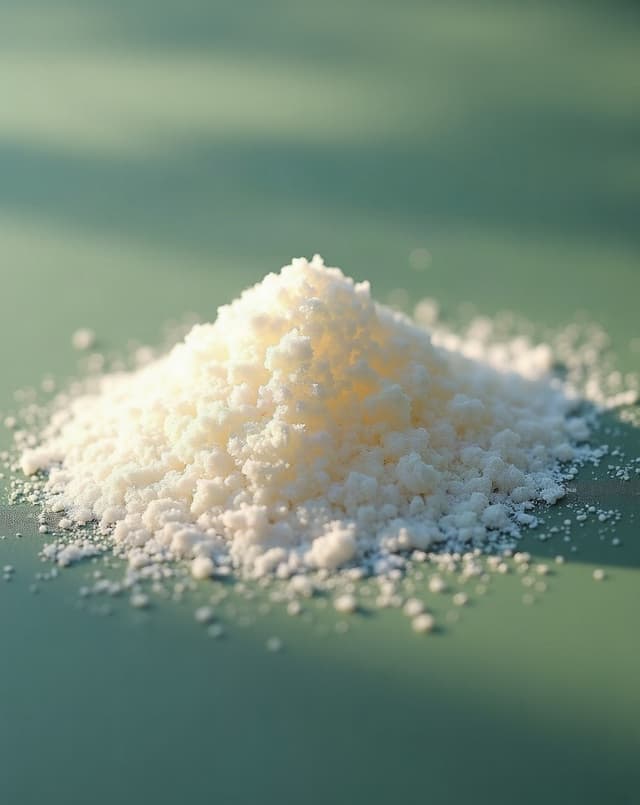
Freeze-dried powders vary enormously in density depending on the specific peptide, its salt form, the excipients used, and the exact lyophilization cycle that produced them. Some compounds form a dense, compact cake; others form a light, airy structure that fills more visible volume for the same actual mass, similar to comparing a handful of sand to a handful of feathers of equal weight. Neither density is a defect. It is simply a property of that specific formulation.
This is why a 10mg vial does not reliably look twice as full as a 5mg vial from the same product line, and why two different compounds at the identical labeled dose can look nothing alike sitting side by side. Vial size is also standardized across a product range for manufacturing and packaging reasons, which further decouples what the eye sees from what the label states.
None of this makes visual comparison a useful diagnostic tool, and it is not one researchers should rely on. The figure that matters, net peptide content by mass, is established through analytical testing at the point of manufacture and verified independently, not estimated by comparing cake height between vials.
The reliable check remains the same one that applies across every question about a vial's actual content: a certificate of analysis, tied to the specific lot code on the label, with a net content and purity result from an independent lab. That documentation is the measurement that counts. What the cake looks like is not.