Lab Guides
Reading a Lyophilized Peptide Cake: What Appearance Does and Doesn't Tell You
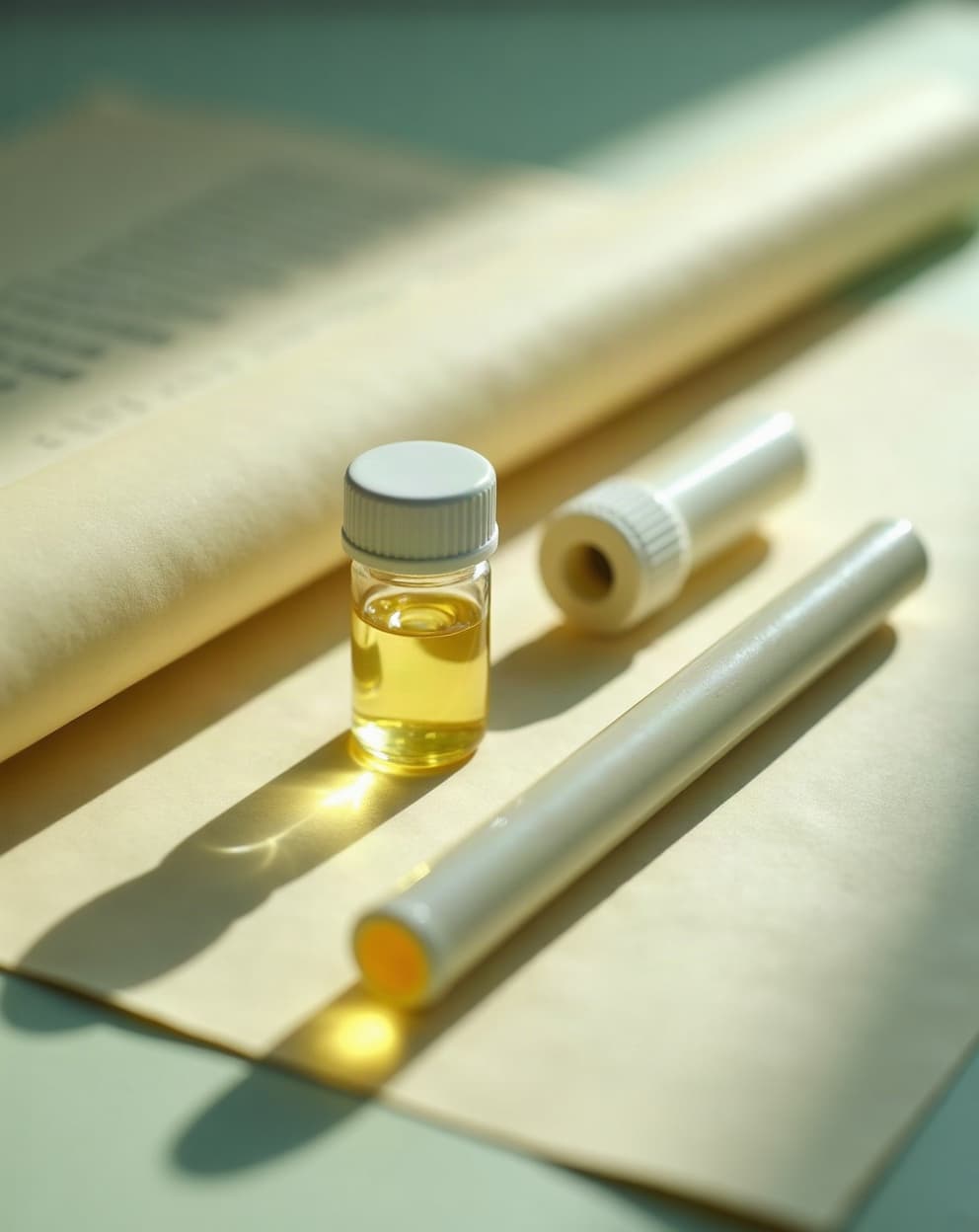
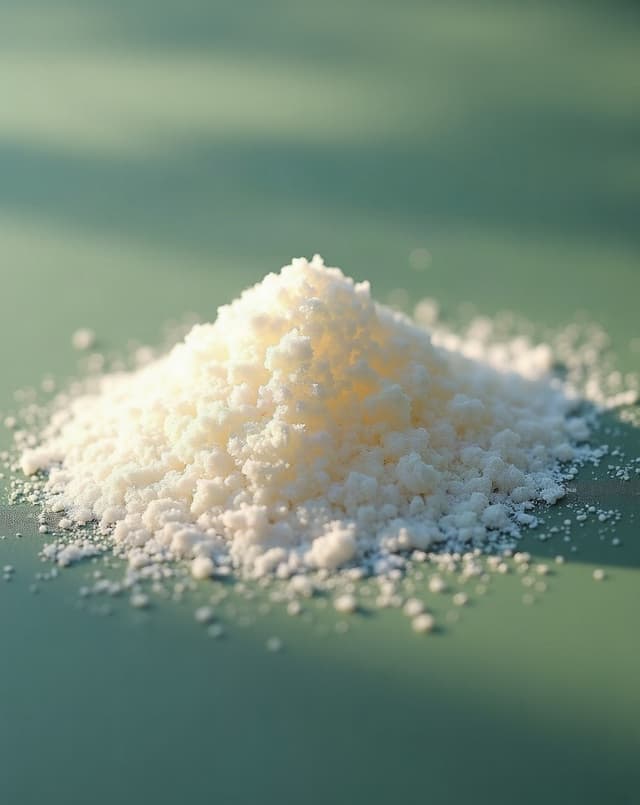
It is common for a lyophilized vial to arrive looking different from how it looked the day it left production. Vibration and handling during transit are enough to shift a freeze-dried cake, which is an inherently brittle material, from a single cohesive puck into fragments or a finer, more granular texture. That change in appearance is a mechanical effect of shipping, not a change in the compound itself.
Color and texture both fall within a normal range that has nothing to do with purity. A cake can be bright white, pale yellow, compact, or slightly powdery depending on the specific peptide, its formulation, and the exact parameters of that lyophilization run, and none of those variations by themselves indicate a problem with the batch.
The physical form a compound takes inside the vial, a single intact cake, a cluster of fragments, or loose powder settled at the bottom, is similarly not a quality signal on its own. Two vials from the identical lot can look noticeably different from each other after the same shipping route, purely as a function of how each vial happened to be jostled in transit.
What does warrant a real look is physical damage to the vial itself: a cracked or broken container, a compromised seal, or a missing or unreadable label. Those are packaging and handling issues, and they are worth flagging. Cosmetic variation in the cake is not the same category of problem, and it is not something appearance alone can diagnose one way or the other.
The reliable way to evaluate a vial is the same regardless of how the cake looks: the lot code on the label and the certificate of analysis tied to it. Analytical testing, not a visual check, is what actually confirms identity, purity, and net content, and that documentation does not change based on whether a shipment arrived as one solid piece or several.